Lip Filler Before & After: What to Expect from Your First Appointment
- Evercare Wellness

- Nov 14, 2025
- 12 min read
Thinking about getting lip filler for the first time? It's totally normal to have a few questions buzzing around your head. You've probably seen tons of before-and-after pics online, and maybe you're wondering what the actual process is like. From getting ready for your appointment to what your lips will look and feel like in the days and weeks after, we're breaking down everything you need to know about your first lip filler experience. Let's get those lips looking just how you want them!
Key Takeaways
Your lip filler journey starts with a chat about your goals and a check of your medical history to make sure it's the right move for you.
To help with bruising, try to avoid things like ibuprofen and alcohol for a couple of days before your appointment.
Right after getting lip filler, expect some swelling and maybe a little tenderness – this is totally normal and usually calms down quickly.
You'll start seeing your lips look more like the final result within about a week, once the initial swelling goes down.
Lip filler results typically last anywhere from six months to a year, depending on the type of filler and how your body handles it.
Preparing For Your Lip Filler Appointment
So, you're thinking about getting lip fillers for the first time? It's totally normal to feel a mix of excitement and maybe a little nervousness. The good news is that with a little preparation, you can make the whole experience smoother and get the best results possible. Let's break down what you need to know before you even get to the clinic.
Understanding The Consultation Process
This is probably the most important step, honestly. Before any needles come out, you'll have a chat with your injector. They'll want to know what you're hoping to achieve – maybe you want a bit more volume, a sharper cupid's bow, or just to even things out. They'll also look at your lips and face to figure out what's possible and what will look natural for you. It's also when they'll review your medical history to make sure you're a good candidate. Don't be shy about asking questions here; this is your chance to get all the info. They'll talk about the different types of fillers available, like those based on hyaluronic acid, and how much might be needed. Think of this as a collaborative session to plan your perfect pout. Many places, like Evercare Wellness & Aesthetics, offer consultations to discuss your goals and assess your suitability.
Pre-Treatment Tips To Minimize Bruising
Nobody really wants extra bruising, right? A few simple things can help reduce it. For about 48 hours before your appointment, try to avoid things that thin your blood. This includes common pain relievers like ibuprofen and aspirin. Also, steer clear of alcohol for at least 24 hours beforehand. Some people find taking arnica supplements in the days leading up to and after the appointment helpful for bruising, though it's always good to check with your provider first. Staying hydrated is also key, and it's best to arrive with a clean face, free of makeup.
Here’s a quick rundown of what to avoid:
Medications: Ibuprofen, aspirin, and other NSAIDs (check with your provider about others).
Supplements: Vitamin E, fish oil, ginkgo biloba (again, consult your provider).
Lifestyle: Excessive alcohol consumption, strenuous exercise right before.
Following these guidelines can make a noticeable difference in how much you swell or bruise after the injections. It’s all about setting yourself up for a smoother recovery.
Arriving For Your Appointment
When you get to your appointment, the first thing they'll likely do is apply a numbing cream to your lips. This stuff really works to make the injections much more comfortable. You'll usually need to keep it on for about 15-30 minutes. While that's doing its thing, your injector might take some 'before' photos so you can see the transformation later. Make sure your lips are clean and free of any makeup or balm when you arrive. This just helps keep things sterile and efficient. The whole process, from numbing to the actual injections, is usually pretty quick, often taking less than an hour.
What Happens During Lip Filler Injections
So, you're in the chair, the consultation is done, and it's time for the actual lip filler part. It might sound a little intimidating, but honestly, it's pretty straightforward. Your injector is going to walk you through it, and knowing what's coming can make a big difference in how you feel.
Customized Injection Techniques For Desired Results
Your injector isn't just going to randomly stick the needle in. They've got a plan based on what you talked about. Whether you want a little more volume, a sharper border, or just some hydration, they'll use different techniques. Some people might need filler placed more superficially for plumpness, while others might benefit from deeper injections for structure. It's all about tailoring it to your lips and your goals. They'll likely map out your lips beforehand, marking the specific spots where the filler will go. This precision is key to getting that natural, balanced look we're all after.
Ensuring Comfort With Numbing Agents
Okay, let's talk about the sting. Most fillers these days have lidocaine mixed right in, which is a local anesthetic. But before that even starts working, your provider will usually apply a topical numbing cream. You'll leave it on for about 15-30 minutes. It really does take the edge off. You'll still feel something – maybe a little pressure or a quick pinch – but it's generally much more manageable than you might expect. Most people find it pretty tolerable.
The Injection Process Itself
Once you're numb and your lips are prepped, the injections begin. Your provider will use a very fine needle, or sometimes a blunt-tipped cannula, to carefully place the hyaluronic acid filler. They'll likely make several small injections, working methodically across your lips. The amount of filler used is usually quite small, often between 0.5 to 1 milliliter total – that's about the amount in a small packet of sweetener. Your provider might gently massage the area as they go or after to help distribute the filler evenly. The whole injection part usually only takes about 15-30 minutes. After they're done, they might apply a cold compress to help calm things down.
It's important to remember that what you see immediately after the injections isn't the final result. Your lips will likely be swollen, and the filler hasn't fully settled yet. Try not to judge the look right away; give your lips some time to heal and the filler to integrate.
Immediate Aftermath Of Lip Filler
So, you've just had your first lip filler appointment. Exciting, right? But what happens the moment you walk out the door? It's totally normal for your lips to look a bit… different. Expect some swelling and maybe a little redness right away. This is your body's natural response to the injections, and it's usually temporary.
What To Expect In The First Few Hours
In the first few hours after your appointment, your lips will likely feel tender and look noticeably swollen. Think of it like this: the filler itself is there, but there's also extra fluid building up around it. You might also see tiny red spots or pinpricks where the needle went in. Don't be alarmed if your lips feel a bit stiff or firm; moving them might feel a little awkward. It's really important during this time to avoid touching, pressing, or massaging your lips. The filler needs time to settle into its new spot without being disturbed. Much of the size you see initially is from this swelling, not just the filler volume.
Managing Initial Swelling And Tenderness
To help keep things comfortable, you can gently apply a cold compress wrapped in a soft cloth to your lips. Do this for short periods, maybe 10-15 minutes at a time, especially during the first 24 to 48 hours. This can really help calm down that swelling and tenderness. Also, try to avoid strenuous activities, excessive heat (like saunas or hot tubs), and direct sun exposure for the first day or two. Anything that gets your blood pumping a bit too much can potentially increase swelling.
Understanding Early Bruising
Bruising is also a possibility. It might show up as small purple or blue marks around the injection sites. This usually appears within the first few hours and is a normal part of the healing process for many people. Don't panic if you see it; it typically starts to fade over the next few days. You can usually cover minor bruising with a bit of makeup once the initial 24 hours have passed, but always check with your provider about when it's safe to apply products.
It's important to remember that the immediate look after your lip filler appointment is not your final result. The swelling and any minor bruising are temporary phases. Give your lips time to heal and settle before you start judging the outcome.
The First Week Of Lip Filler Healing
So, you've had your first lip filler appointment. Exciting! Now comes the part where your lips settle in and start looking like, well, you, but a little more plumped up. The first week is kind of a rollercoaster, but mostly in a good way. It’s important to know what’s normal so you don’t freak out.
Navigating Peak Swelling Days
For the first couple of days, especially day two and three, expect your lips to look… big. Seriously, they might look much larger than you anticipated. This is mostly swelling, not the actual filler. It can feel a bit strange, and talking or eating might be a little awkward. Your lips might feel tight or even a bit stiff. It’s also common to see some redness or tiny red dots where the needles went in. Bruising can pop up too, usually as small purple or blue marks. Just remember, this is all temporary.
Day 1: Tenderness, initial swelling, possible small red marks.
Day 2-3: Peak swelling, lips appear largest, potential for more noticeable bruising.
Try to be extra gentle with your lips during this peak swelling phase. Avoid touching them too much, and definitely don't try to massage them yourself. Let the filler do its thing without interference.
When Swelling Begins To Subside
Around day four and five, you should start to see a difference. The swelling will begin to calm down, and your lips will start to feel more like your own again. Eating and drinking should feel more comfortable. If you had any bruising, it will start to change color, moving from purple or blue to greener or yellowish tones before fading away. You’ll get your first real glimpse of the shape and volume you can expect.
Approaching Your Final Look By Week's End
By the time you hit day six or seven, your lips should be looking pretty close to their final form. Most of the swelling should be gone, though you might wake up with a little puffiness, especially in the morning. Any remaining bruising should be very faint and easily covered with makeup if you want. The injection spots should be healed. This is usually the point where people start to feel really happy with how their lips look and feel. It’s a good time to start thinking about whether you love the results or if you might want a little tweak later on, but remember, there’s still a bit more settling to happen.
Day 4-5: Swelling noticeably decreases, bruising starts to fade.
Day 6-7: Near-final appearance, most swelling and bruising resolved, lips feel more natural.
It's totally normal for your lips to still feel slightly different or look a tiny bit uneven at the end of the first week. The filler is still integrating with your tissues, and things will continue to soften and settle over the next few weeks. Patience is key here!
Longer-Term Lip Filler Results
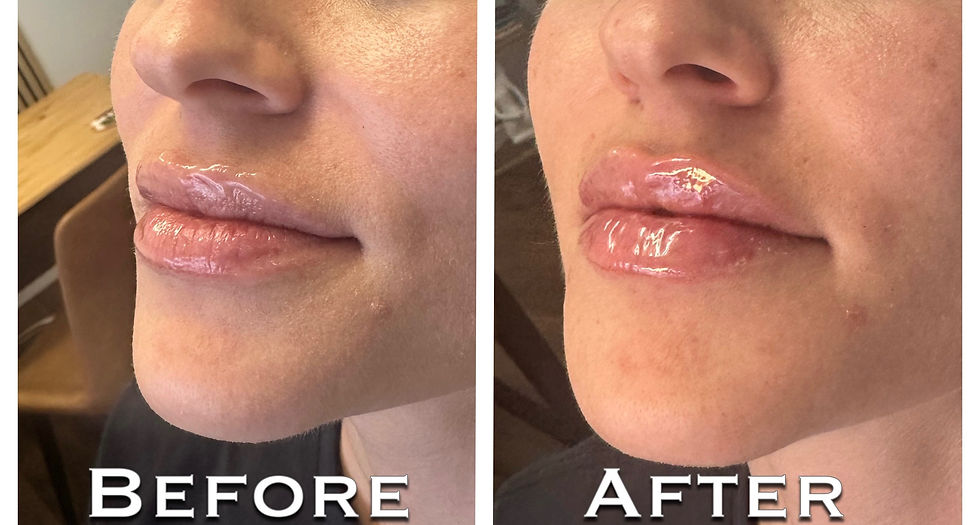
As the days pass and you move beyond the first week, your lip filler starts to look and feel much more natural. All that early swelling, puffiness, and bruising usually settles down by the end of the second week. At this point, you get to see what your lips really look like with the filler fully in place—this is the lip shape you’ll have for the next several months.
Filler Settling And Integration
Your lips won’t just suddenly stop changing after the first week. Over the course of two to four weeks, the filler continues to settle and blend into your natural tissue. The new shape feels softer, more flexible, and you’ll probably forget anything is in there. By weeks three and four, your lips should look and feel completely natural. Sometimes, subtle changes keep happening as your body adapts, but the major transformation is done.
Assessing Your Final Results
You’ll want to wait at least two weeks before making any decisions about your final look. Early on, swelling can create the illusion of fuller lips than you’ll end up with. After everything calms down, check in with your injector if you’re considering touch-ups. Some people end up loving their results right away, but others might notice they want a small adjustment or extra volume.
Final results typically show up between 2–4 weeks post-injection
Schedule your follow-up with your injector to discuss satisfaction
Adjustments or touch-ups can be made once swelling and bruising are gone
If you’re unsure about your outcome, don’t stress. It’s normal to need minor tweaks for perfect symmetry or fullness after your first session.
How Long Lip Filler Typically Lasts
Lip fillers are temporary. Hyaluronic acid fillers—the most common type—break down slowly, so your results aren’t forever.
Filler Type | Usual Longevity |
|---|---|
Hyaluronic Acid | 6–12 months |
Collagen-Based | 3–6 months |
Permanent/Other | Varies/much longer |
Most people find their lips look great for about 6 to 9 months, but metabolism, lifestyle, and the specific product can make a difference. If you’re happy with your enhancement, touch-ups every so often keep your look fresh.
Factors Influencing Your Lip Filler Journey
So, you're thinking about lip fillers? That's awesome! It's a pretty popular way to get fuller lips, and honestly, it can be a great confidence booster. But, like anything, your experience isn't going to be exactly the same as someone else's. A bunch of things can tweak how things go, from how your body heals to the actual product used. It's good to know these bits beforehand so you can have realistic expectations.
Individual Healing Responses
Everyone's body is different, right? This is super true when it comes to healing after lip injections. Some people bounce back with hardly any swelling or bruising, while others might have a bit more puffiness or discoloration that sticks around a little longer. Your age, general health, and even your skin type can play a role in this. If you have more sensitive skin, you might notice more swelling or bruising that takes a few extra days to fade. It's just how your body reacts, and it's totally normal.
Impact Of Filler Type And Volume
What kind of filler is used and how much goes in really matters. There are different types of dermal fillers, and they can behave a bit differently. Some might cause a little more initial swelling than others. Also, the amount of filler injected makes a big difference. A subtle plumping will heal differently than a more dramatic volume increase. Your injector will talk you through the options, like hyaluronic acid fillers such as Juvederm or Restylane, and help you pick what's best for your goals and what your lips can handle.
The Importance Of Aftercare Adherence
This is a big one, folks. What you do (and don't do) after your appointment can seriously affect how your lips heal and look. Following your provider's aftercare instructions is key. This usually means things like:
Avoiding strenuous activity for the first 24-48 hours to prevent increased swelling.
Gently applying cold compresses to reduce puffiness.
Staying hydrated and avoiding alcohol and blood-thinning medications for a period before and after.
Not touching or massaging your lips too much, especially in the initial healing phase.
Sticking to the aftercare plan helps your filler settle properly and minimizes the risk of complications, leading to the best possible outcome. It's a small effort for a significant reward.
Getting lip fillers is a journey, and understanding these factors can help you feel more prepared and confident throughout the process. It's all about working with your body and your provider to achieve the look you want. If you're curious about the process, checking out skincare and wellness guides can offer more insights.
Thinking about lip fillers? Many things can affect your experience, from your skin type to the skill of your injector. Understanding these factors helps you get the best results. Want to learn more about making your lip filler journey a success? Visit our website today for expert advice and to book your consultation!
So, What's the Takeaway?
Getting lip filler for the first time can feel like a big step, but it's usually a pretty straightforward process. You'll likely have some swelling and maybe a little bruising for a few days, but most people start seeing their final results within a week or two. It's all about managing expectations and following those aftercare tips. If you're thinking about it, chatting with a qualified injector is the best way to figure out if it's right for you and what to expect specifically for your lips. It can be a nice little confidence boost!
Frequently Asked Questions
What should I do before my lip filler appointment?
Before getting lip fillers, it's a good idea to chat with your doctor about your goals. Try to avoid things that can make you bruise more easily, like certain medicines (like ibuprofen) or alcohol, for a couple of days before your appointment. Also, make sure to drink plenty of water and come with clean lips, free of makeup.
Will lip fillers hurt?
Most people find lip fillers to be pretty comfortable. Your doctor will usually put on a numbing cream to make your lips feel sleepy before starting. The filler itself often has medicine in it to help with any discomfort. You might feel a little pinch or pressure, but it's usually not too bad.
What happens right after lip fillers?
Right after your appointment, your lips might feel a bit sore and look swollen. It's normal to see some redness or tiny marks where the needle went in. Your lips might also feel a little stiff. It's best not to touch them too much in the first few hours so the filler can settle nicely.
When will I see the final results of my lip fillers?
You'll notice a difference right away, but your lips will look their best after about two weeks. The first few days usually involve the most swelling. As the swelling goes down and the filler settles into place, your lips will start to look more natural and smooth.
How long do lip fillers last?
How long lip fillers last can differ for everyone, but they usually stick around for about 6 to 12 months. This depends on the type of filler used and how your body naturally breaks it down over time. You can get touch-ups if you want to keep your pout looking full.
What's the best way to take care of my lips after getting fillers?
After getting fillers, try to avoid touching or pressing on your lips. Using a cold pack can help with swelling. It's also a good idea to stay away from intense workouts and too much sun for the first day or two. Drinking lots of water helps too!


